Press and media
Information for journalists
Facts about the institute, a short text you may quote, our logo and official photos. For interviews and comments about earthquakes in Armenia, write to us.
Key facts
- Full name
- A. Nazarov Institute of Geophysics and Engineering Seismology
- Short name
- IGES
- Founded
- 1961, Leninakan (today Gyumri)
- Belongs to
- Ministry of Education, Science, Culture and Sport of the Republic of Armenia
- Director
- Jon Karapetyan, since 2013
- Seismic network
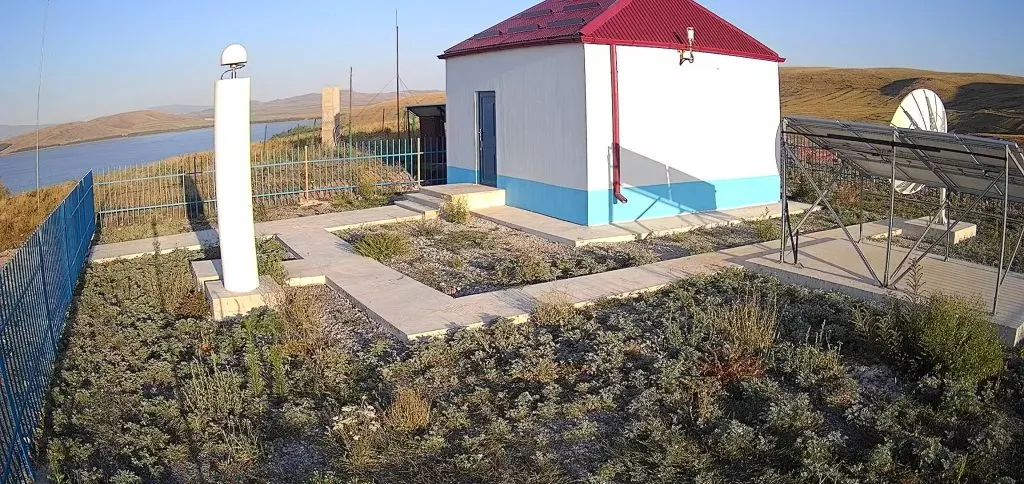
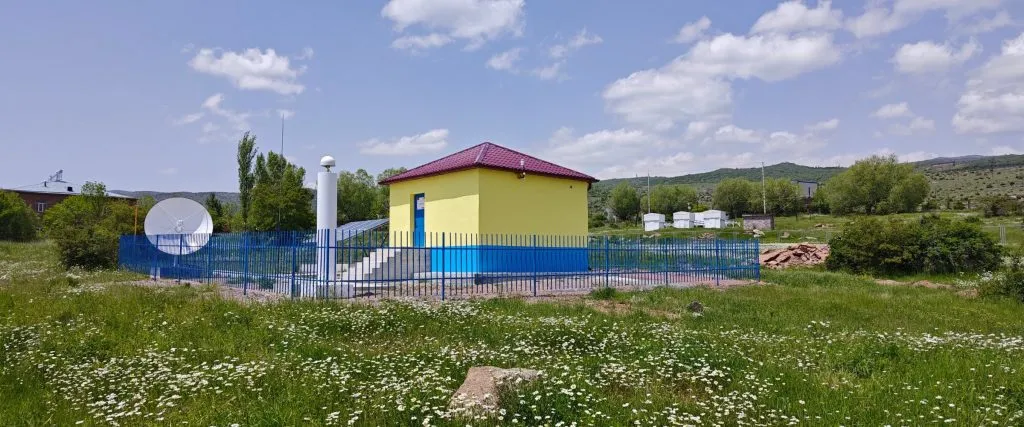
- CHARNET, nine permanent stations, FDSN code A6
- Observatory
- Gyulagarak geomagnetic observatory GLK, Lori province
- Address
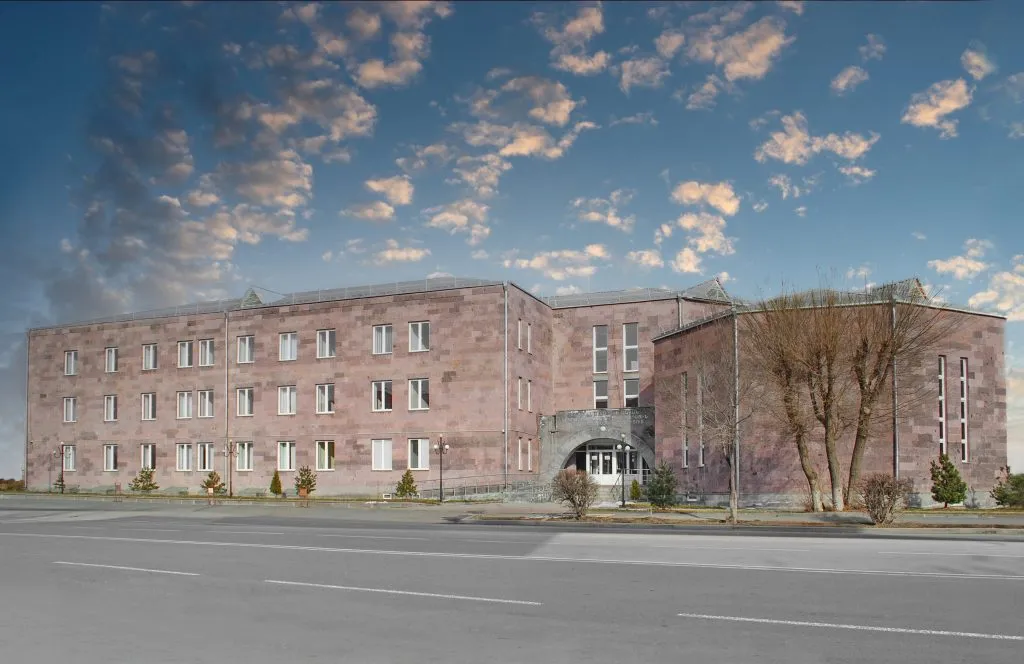
- 5 V. Sargsyan St, Gyumri 3115, Armenia
About IGES text to quote
The A. Nazarov Institute of Geophysics and Engineering Seismology (IGES) was founded in 1961 in Leninakan, today Gyumri, Armenia. The institute belongs to the Ministry of Education, Science, Culture and Sport of the Republic of Armenia. IGES runs CHARNET, a permanent network of nine seismic stations streaming data to its data centre in Gyumri, and the Gyulagarak geomagnetic observatory. Together with the Institute of Geophysics of the China Earthquake Administration it opened the Armenian–Chinese seismic and GNSS network centre in Gyumri in 2025, with the first earthquake early warning system in the region.
Official photos
Full-resolution photos for publication are provided on request: write to info@iges.am.
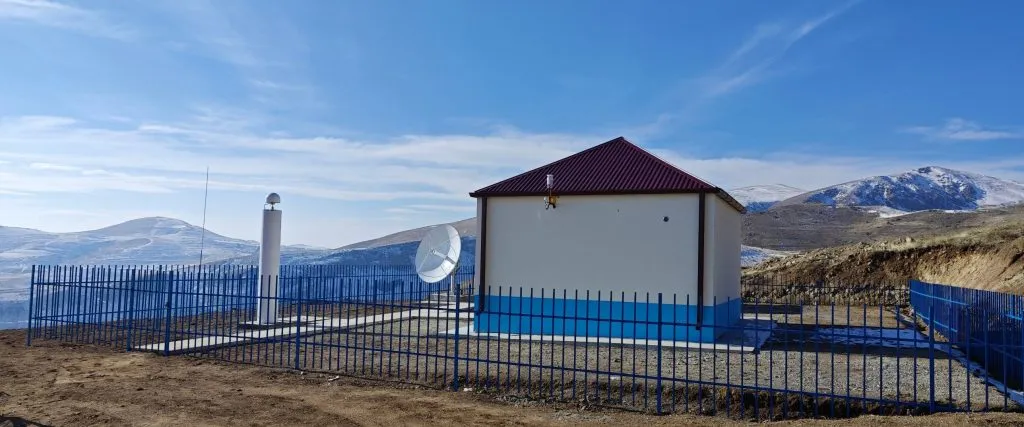
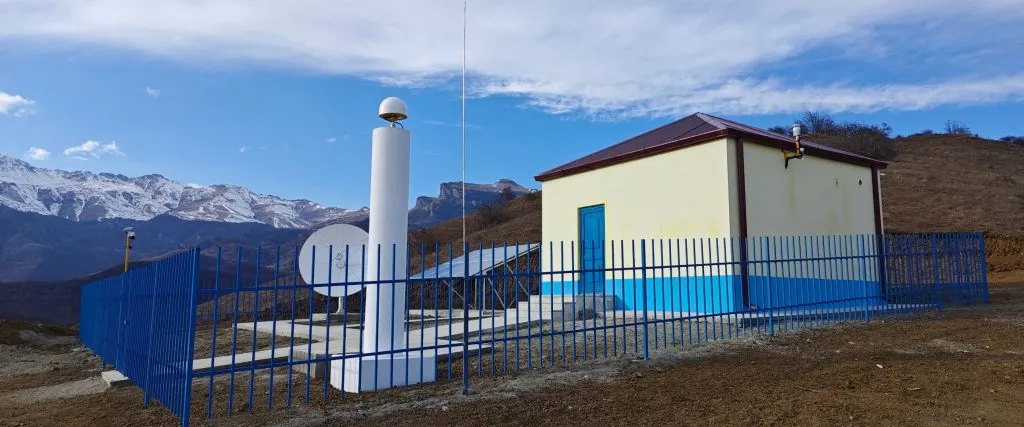
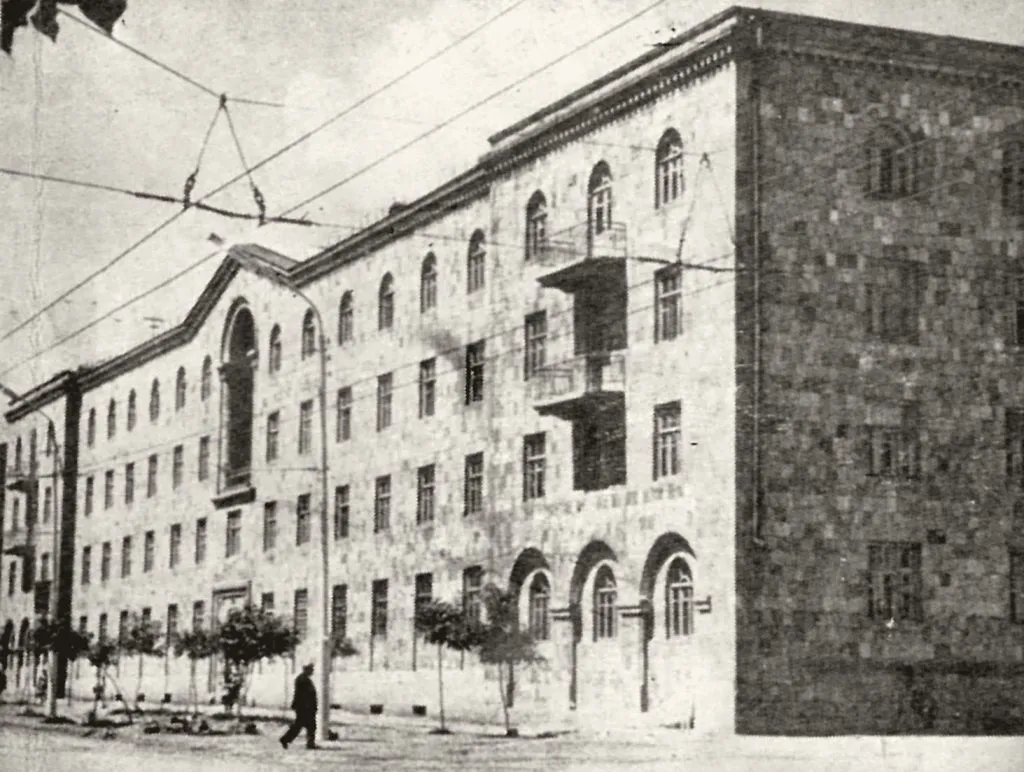
Data and citations
Seismic data of the CHARNET network and records of the Gyulagarak observatory have DOIs.
Open data and how to cite →