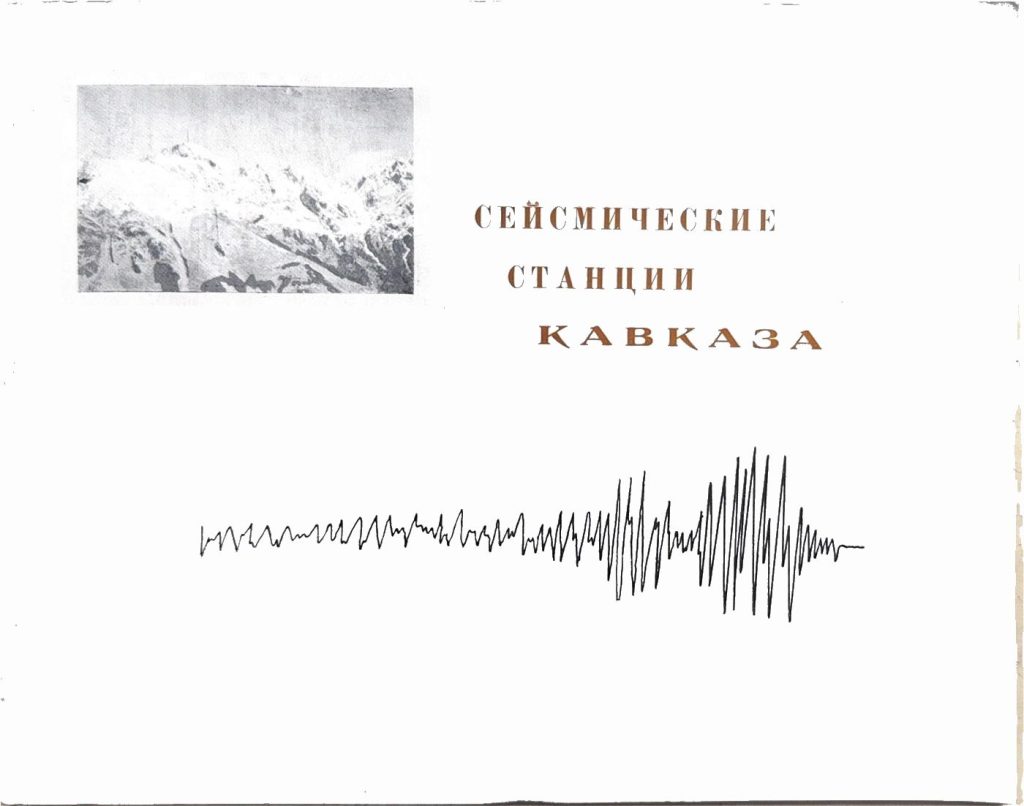
Seismic Stations of the Caucasus
Photo album · Tbilisi, “Metsniereba”, 1973 · 500 copies
- Stations in the Caucasus32
- In Armenia5
- Oldest in the regionTbilisi, 1899
An original copy is kept at IGES
In the institute archive we have found a rare book: the photo album Seismic Stations of the Caucasus, prepared by the Institute of Geophysics of the Academy of Sciences of the Georgian SSR and the Caucasus Zonal Centre of Seismic Observations, and printed in Tbilisi in 1973 in only 500 copies. Page by page it shows every seismic station that was working in the Caucasus at the time: the building, the pavilion with its instruments, the year it opened and the seismographs installed in it.
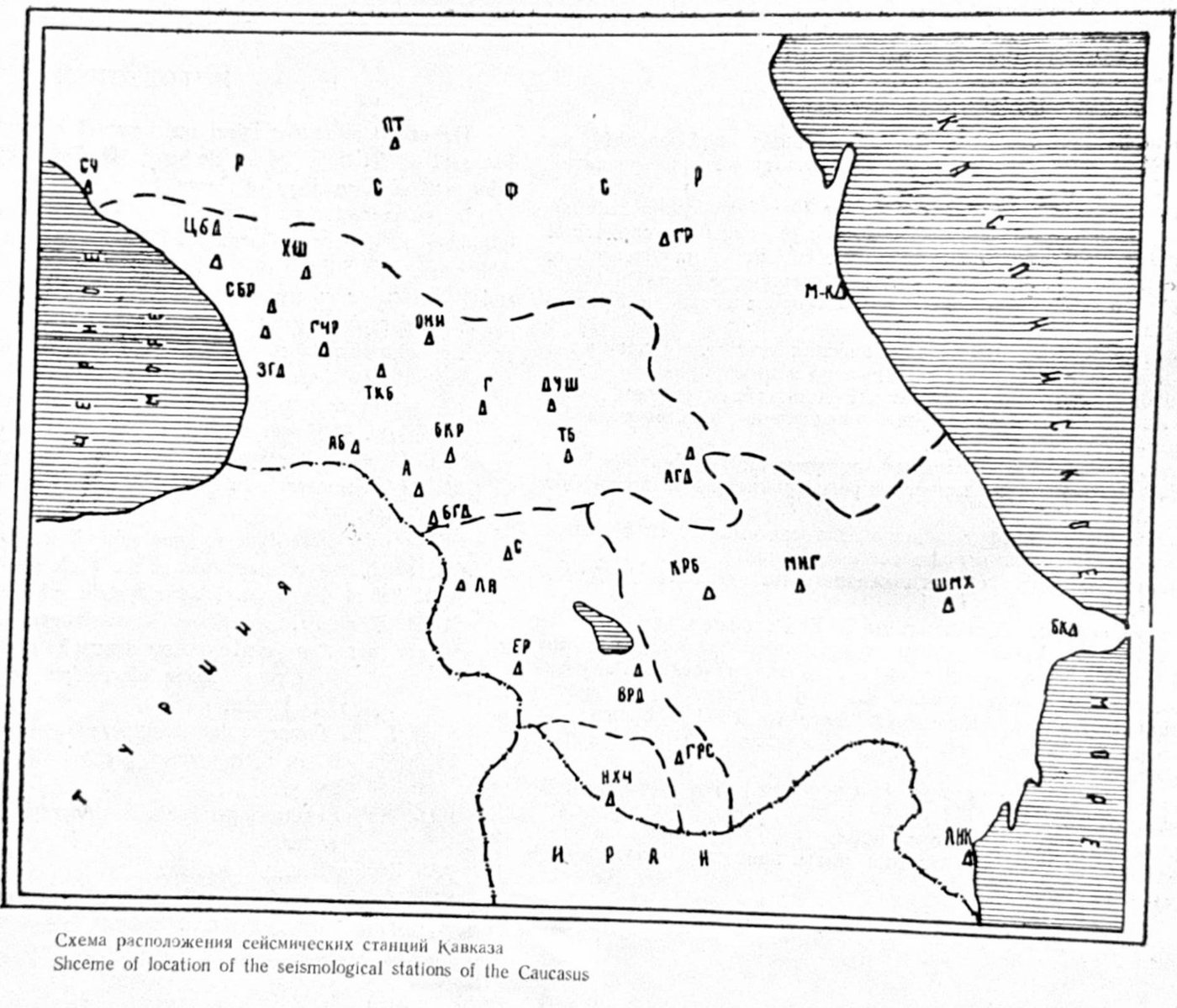
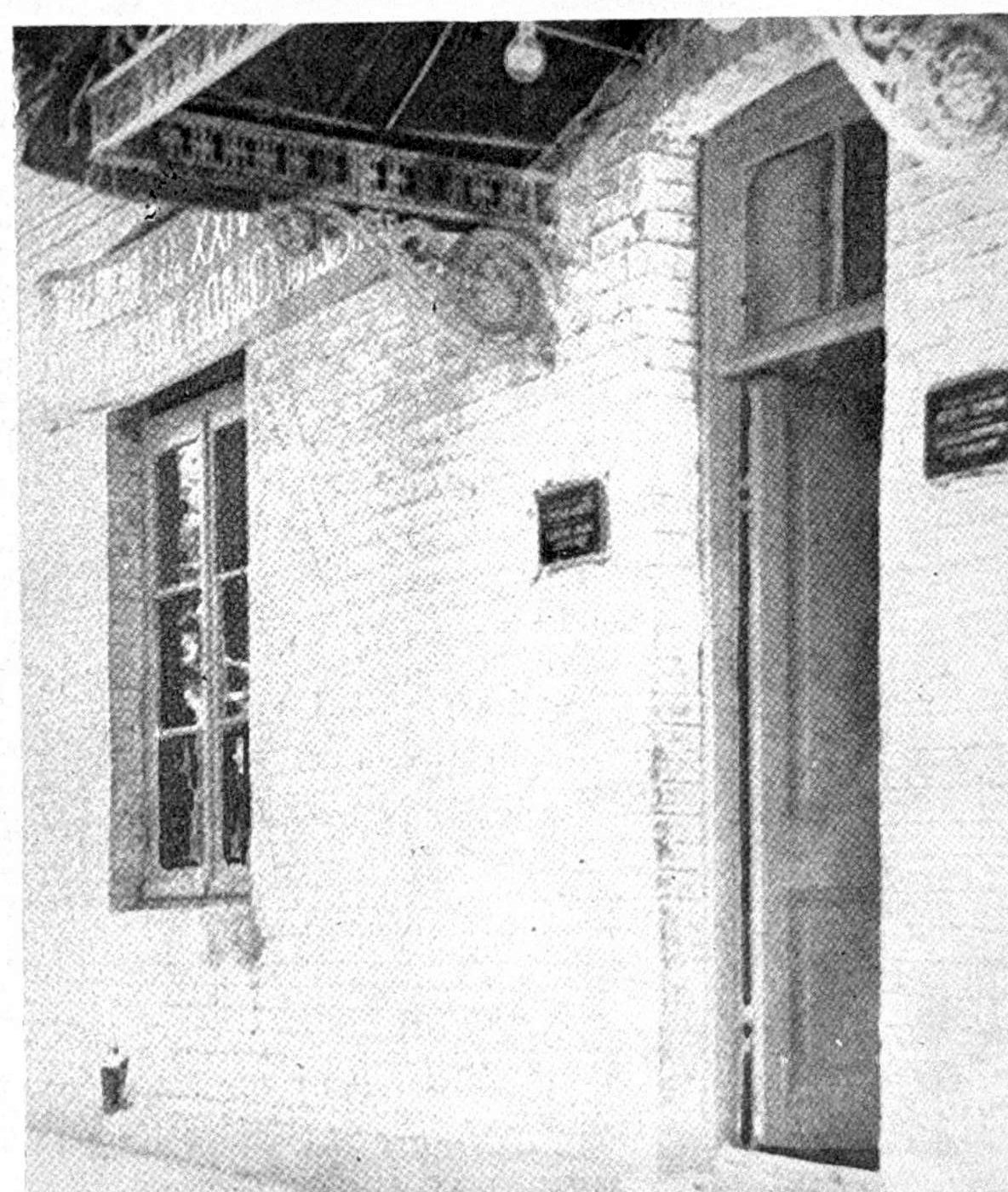
According to the album, 32 regional and general-type stations were operating in the Caucasus: 16 in Georgia, 5 in Armenia, 7 in Azerbaijan and 4 in the North Caucasus. The oldest of them was Tbilisi, recording since 1899; Baku followed in 1903. The Armenian part of the album is titled “Seismological stations of the Institute of Geophysics and Engineering Seismology of the Academy of Sciences of the Armenian SSR”: these are the stations of our institute.
The first five stations of Armenia
- 1931Yerevan — the first seismic station in Armenia. Seismographs SK and VEGIK
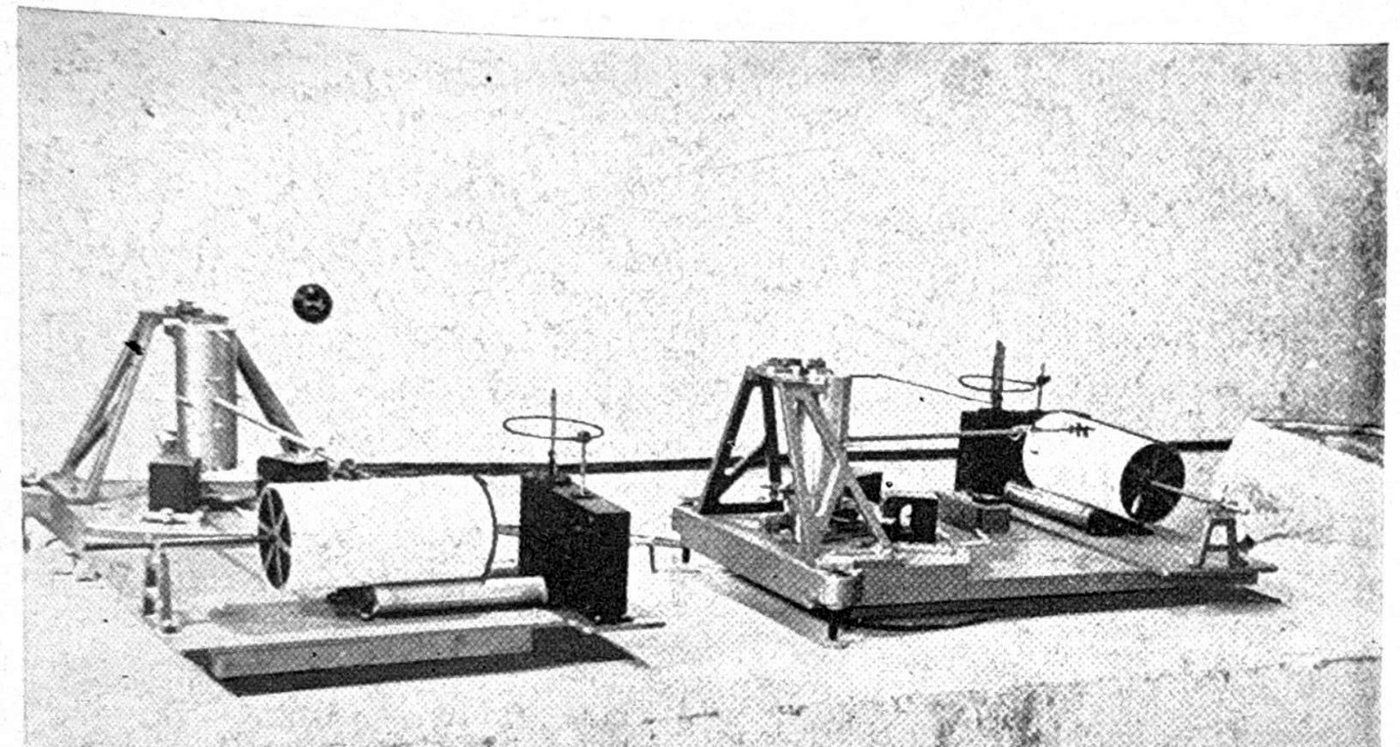
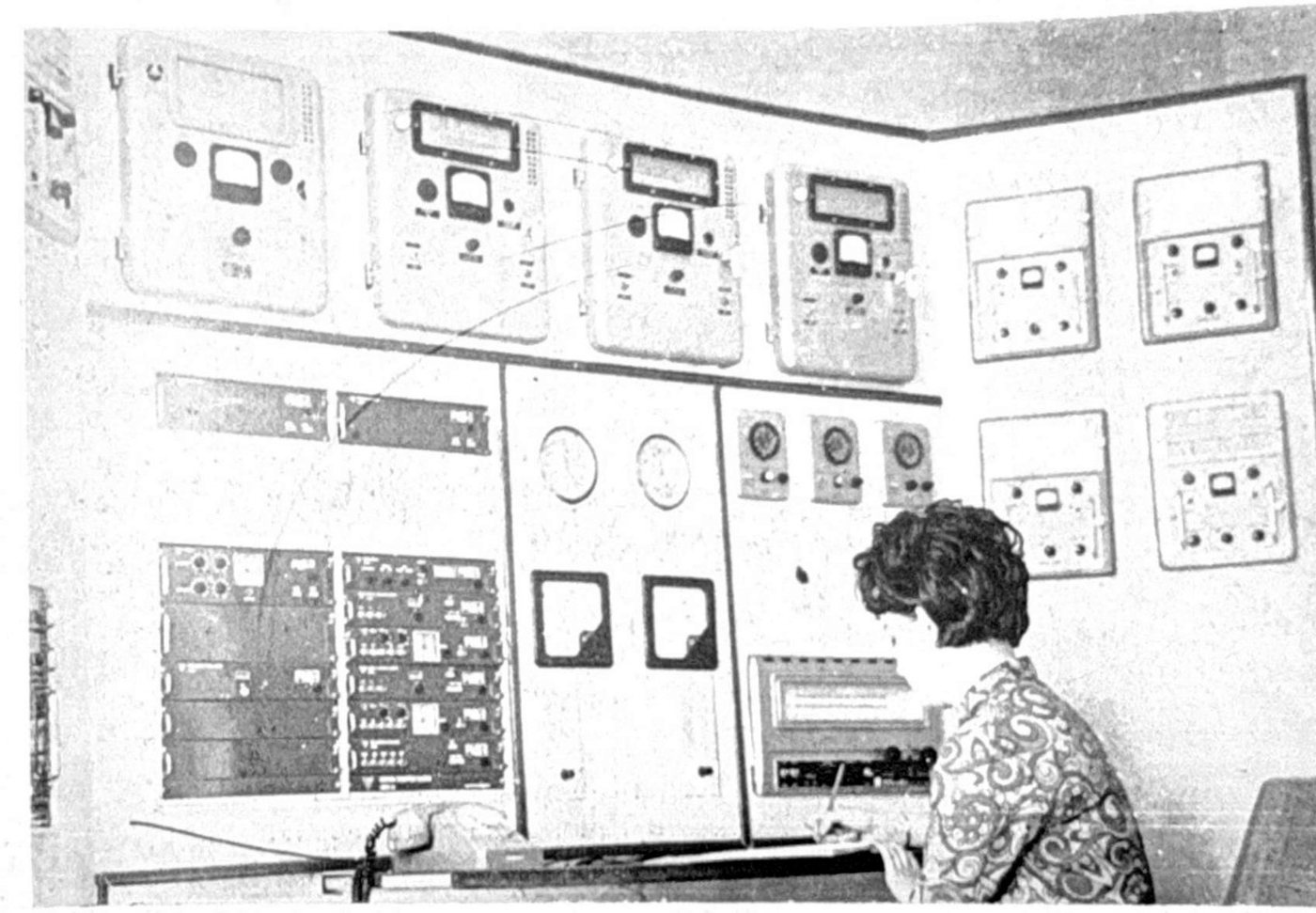
- 1946Leninakan (today Gyumri), the city where the institute was founded in 1961. Seismographs SKM-3, VEGIK, SKD, SD-1
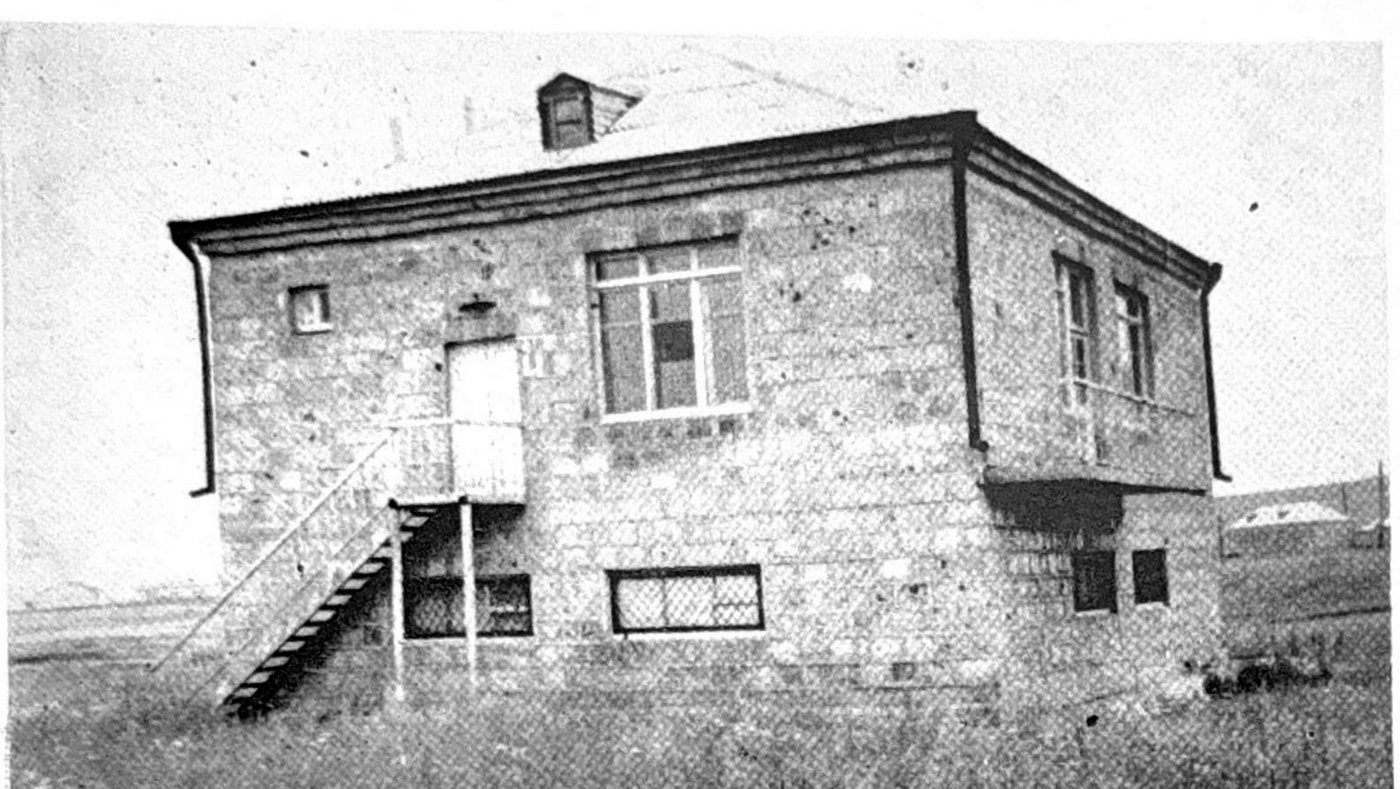
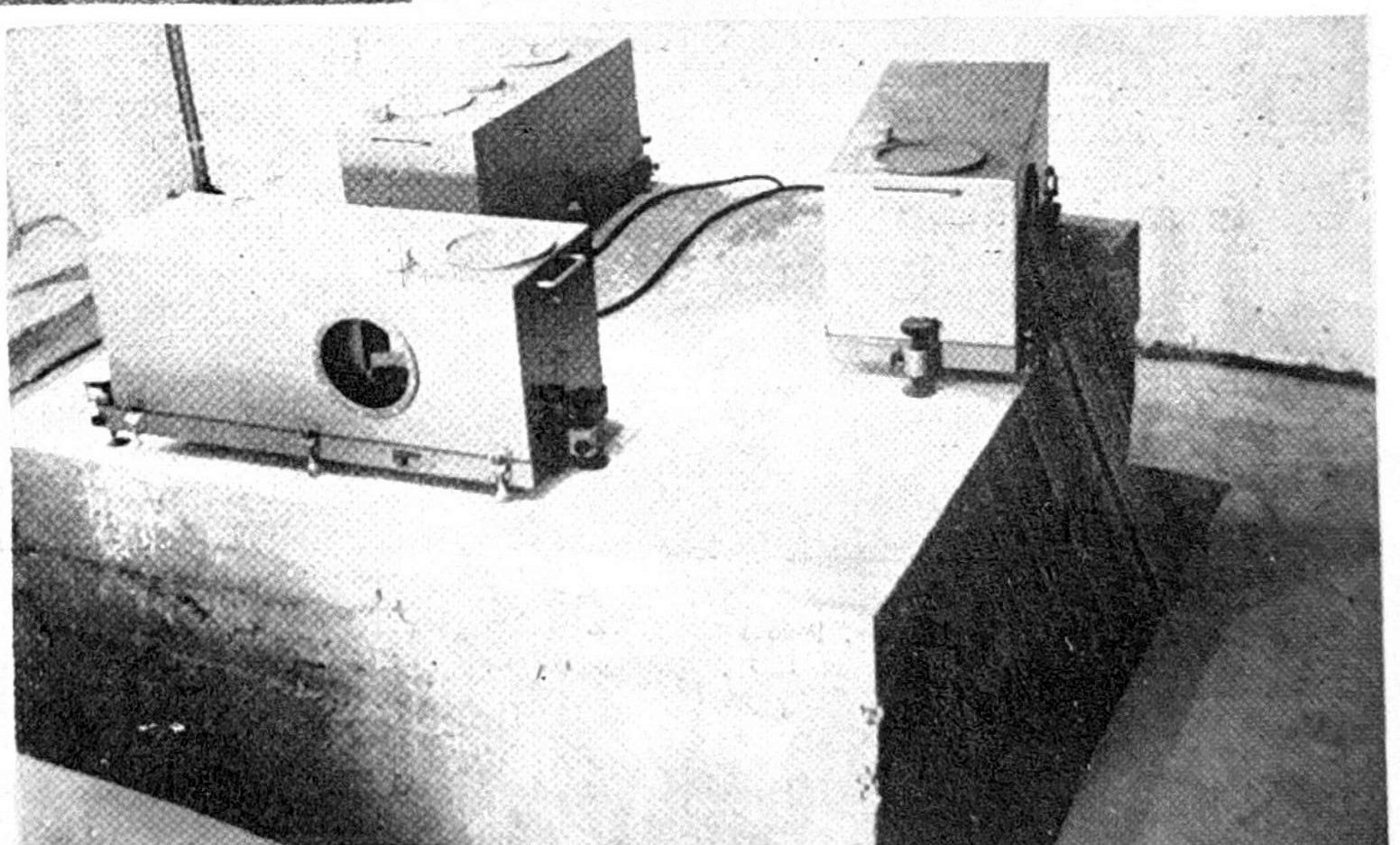
- 1950Stepanavan in the north. Seismographs SKM-3 and SKD
- 1951Goris in the south. Seismograph VEGIK
- 1964Vardenis, near Lake Sevan. Seismograph SKM-3
Source: Seismic Stations of the Caucasus, Tbilisi, 1973
Yerevan, since 1931
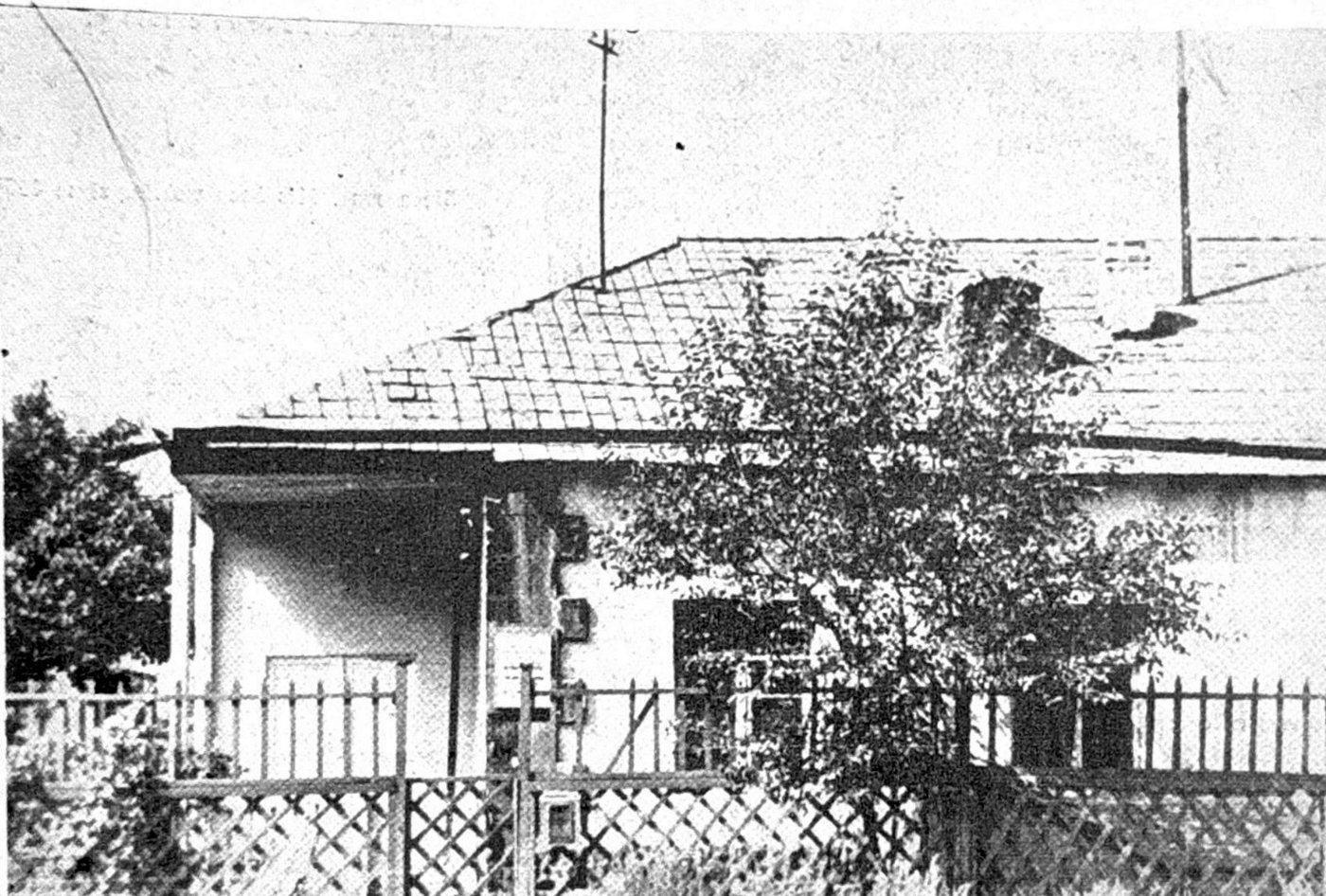
Leninakan (Gyumri), since 1946
Leninakan has the largest section among the Armenian stations. Besides the building and the instrument pavilion, the album shows the station’s control panel, already a modern installation for its time.
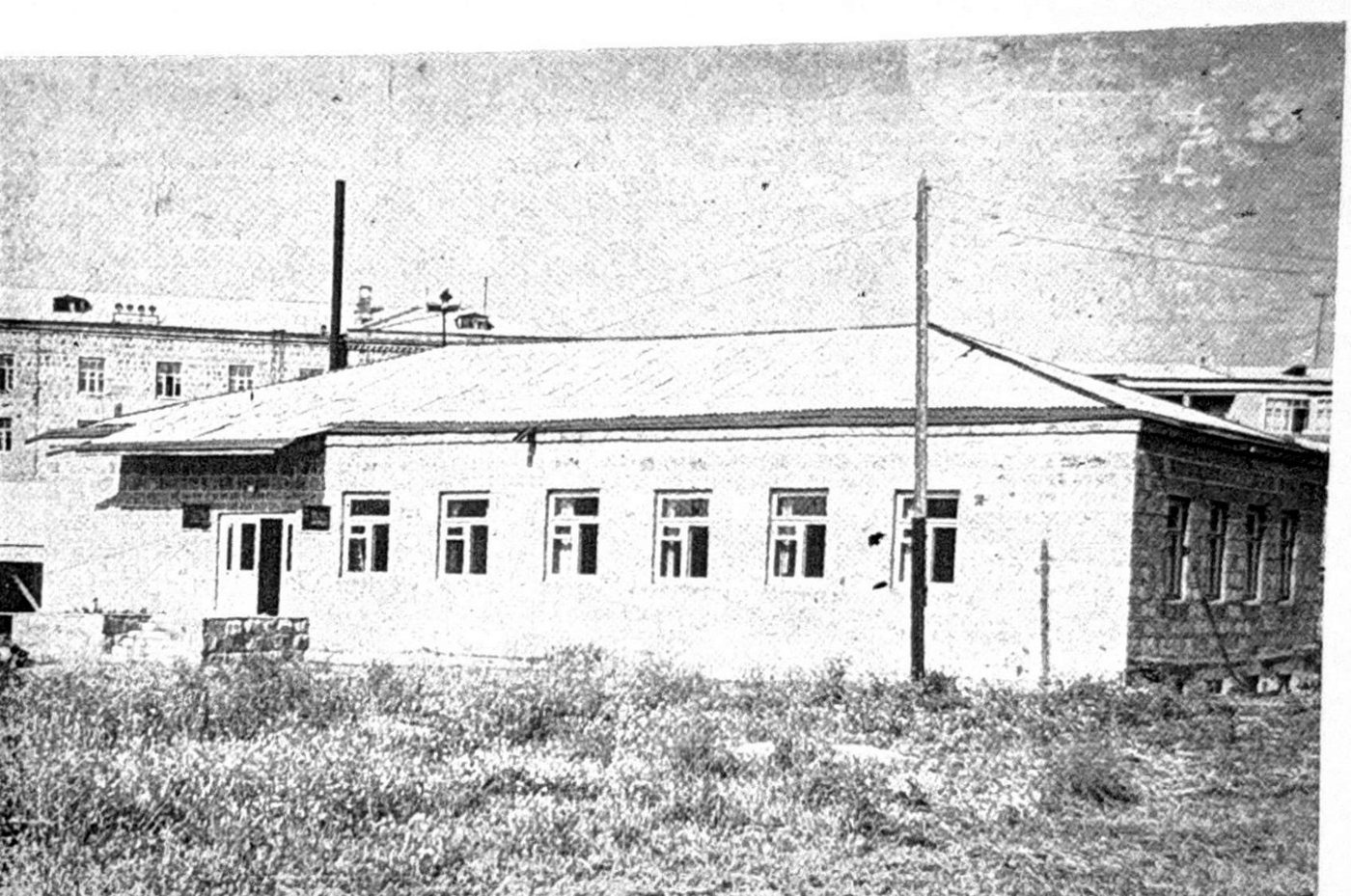
Stepanavan, since 1950
Goris, since 1951
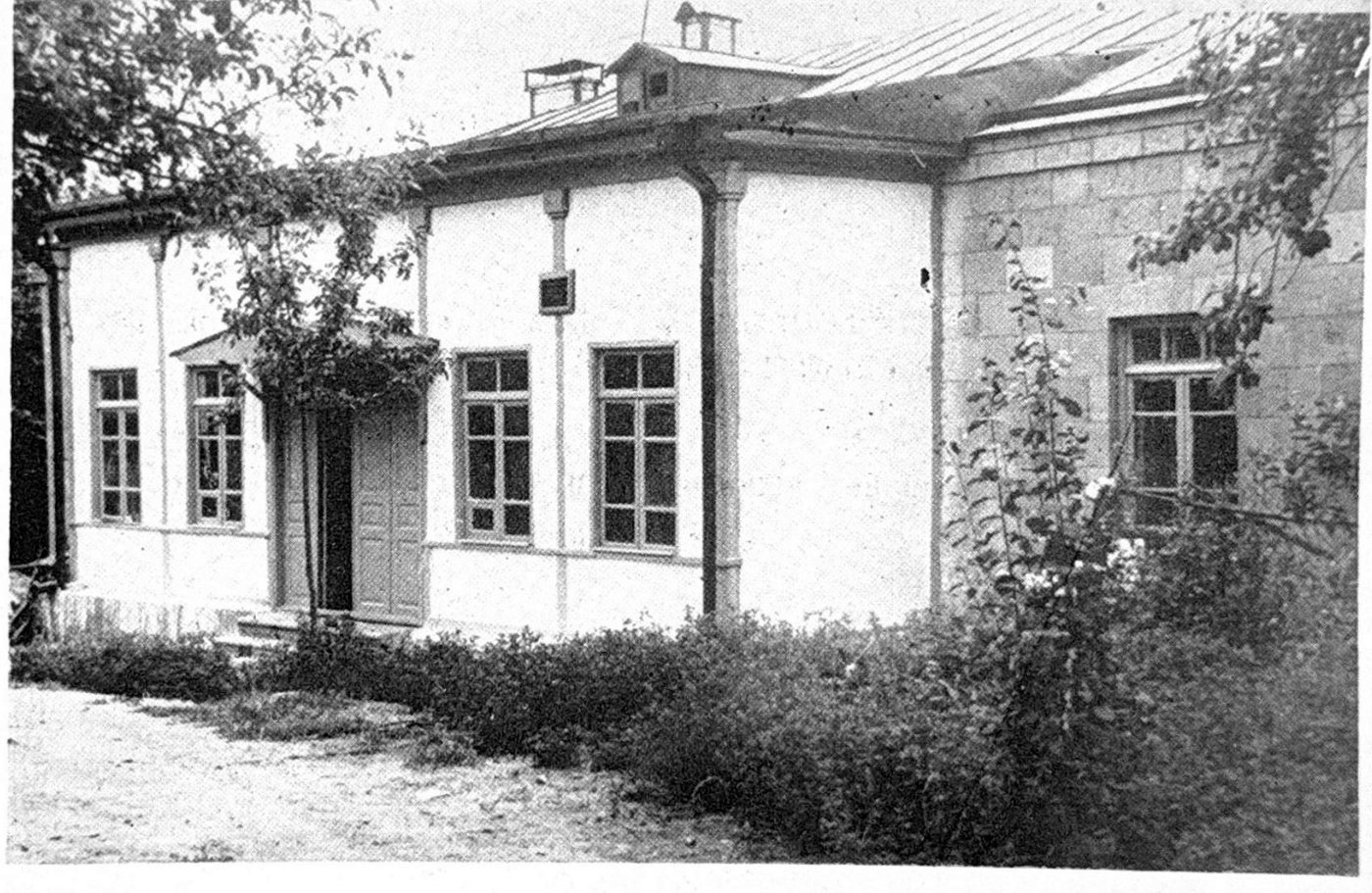
Vardenis, since 1964
The youngest of the five, near Lake Sevan, equipped with an SKM-3 seismograph. The album illustrates it with the same photographs as Stepanavan, so we do not repeat them here.
The oldest station of the Caucasus
From paper drums to a digital network
In 1973 the stations of Armenia recorded earthquakes with ink and photographic paper on rotating drums. Half a century later the same places, Gyumri first of all, are part of the digital CHARNET network, which records earthquakes in Armenia and around the world in real time. The album is a reminder of the people and the stations on which today’s seismology of Armenia was built.
Source: Seismic Stations of the Caucasus. Photo album. Academy of Sciences of the Georgian SSR, Institute of Geophysics; Caucasus Zonal Centre of Seismic Observations. Tbilisi: Metsniereba, 1973. 500 copies. Photographs reproduced from the copy kept at IGES.